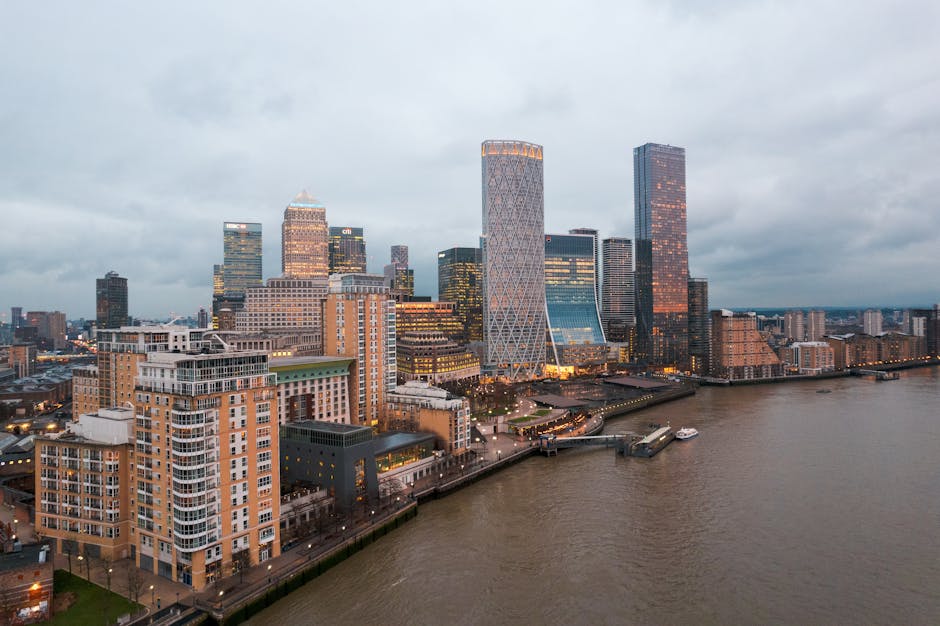
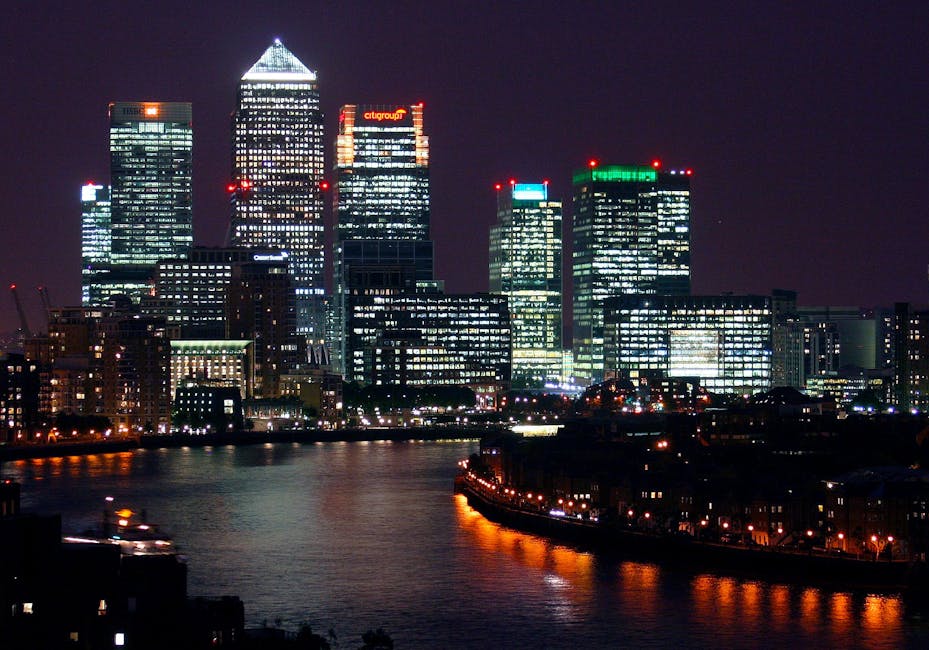
Canary Wharf office cleaning services in London E14 towers
If you work in one of the tall, polished buildings around Canary Wharf, you already know the standard is high. Lifts need to look sharp, reception areas need to feel calm, and even the smallest meeting room can make or break a first impression. That is exactly why Canary Wharf office cleaning services in London E14 towers matter so much. They are not just about mopping floors after hours; they are about keeping a fast-moving workplace presentable, hygienic, and ready for business every single day.
In a place where visitors arrive early, teams work late, and shared spaces get used hard, office cleaning has to be reliable, discreet, and tailored to the building. This guide breaks down how tower cleaning works, what to expect, where the real value is, and how to choose a service that fits your office properly. No fluff. Just the practical stuff that helps you make a sensible decision.
Table of Contents
- Why it matters in Canary Wharf towers
- How office cleaning in E14 towers works
- Key benefits and practical advantages
- Who needs this and when it makes sense
- Step-by-step guidance
- Expert tips for better results
- Common mistakes to avoid
- Tools, resources and recommendations
- Law, compliance, standards and best practice
- Options, methods, and comparison table
- Case study or real-world example
- Practical checklist
- Conclusion
- Frequently asked questions
Why Canary Wharf office cleaning services in London E14 towers Matters
Office towers in Canary Wharf are not like a small high street office with one kettle, one corridor, and one desk plant that somehow survives the winter. Tower buildings have higher footfall, more shared touchpoints, more lift traffic, stricter access rules, and far more visible public-facing spaces. If the cleaning slips, people notice quickly. Sometimes it is the faint smell in a corridor. Sometimes it is fingerprints on glass. Sometimes it is just that slightly tired look a reception area gets after a busy Monday morning.
That first impression matters because most E14 towers host businesses that rely on trust, precision, and confidence. A clean space does not solve every problem, of course, but it does send a useful signal: this place is organised, cared for, and on top of the details. For clients, staff, and building visitors, that signal counts.
There is also a practical side. Shared spaces in tower offices can carry germs more easily than people sometimes realise. Desks, kitchen areas, stair rails, lift buttons, washrooms, and meeting rooms all see repeated contact throughout the day. Regular office cleaning reduces grime build-up, helps maintain surfaces, and supports a more comfortable environment. That is especially important in winter, when London offices tend to feel busier, damper, and a bit more enclosed.
And let's be honest: in a tower, people judge the whole office by the bits they see first. Reception, toilets, glass, floors. If those are handled well, the rest of the workplace feels easier to trust.
How Canary Wharf office cleaning services in London E14 towers Works
Good tower cleaning is usually built around the building's rhythm. Most providers will start with a site walk-through, identify access points, check security procedures, and agree what needs daily, weekly, or periodic attention. In an office tower, timing is everything. Cleaning often happens before staff arrive, after they leave, or in carefully managed windows during the day.
A standard plan usually covers the visible, high-use areas first: floors, desks, bins, kitchens, toilets, glass partitions, and communal touchpoints. Depending on the office and the contract, it can also include deeper work such as carpet care, hard floor maintenance, upholstery cleaning, washroom replenishment, and occasional specialist tasks. If you need a more detailed reset after a fit-out or a refurbishment, a deep cleaning service is often the right starting point.
For some businesses, office cleaning is just one part of the picture. Tower locations may also need glass and external maintenance, especially where facades and windows collect city dust faster than you would expect. In that case, it can make sense to combine cleaning schedules with window cleaning or even facade cleaning where access arrangements allow it.
The best services are built around consistency rather than drama. The cleaner turns up on time, follows the agreed scope, logs issues, and leaves the space ready for use. Nothing flashy. Just properly done.
What the process usually includes
- Initial site survey and scope discussion
- Cleaning schedule built around office hours and access rules
- Daily or periodic cleaning of agreed areas
- Restocking of consumables where requested
- Quality checks and feedback handling
- Adjustments for busy periods, events, or seasonal demand
Key Benefits and Practical Advantages
The obvious benefit is cleanliness, but the real value goes further. In a Canary Wharf tower, cleaning affects how the office feels, how it functions, and how well it holds up over time.
A sharper workplace image. Neat floors, fresh washrooms, and clean glass make a serious difference in corporate environments. Visitors may not comment on it directly, but they notice. People always notice.
Better staff comfort. Teams work more comfortably in a space that does not feel sticky, dusty, or neglected. That can translate into fewer distractions and a more pleasant daily routine.
Protection for assets. Carpets, floors, upholstery, and work surfaces last longer when they are maintained properly. That is especially useful in towers where refurbishment can be expensive and disruptive.
More predictable standards. A set cleaning plan helps reduce those annoying little issues that accumulate quietly: overflowing bins, dull floors, smudged panels, and grim kitchen corners no one wants to claim responsibility for.
Better hygiene in shared spaces. Meeting rooms, breakout areas, and washrooms can become pressure points in busy offices. Regular cleaning helps keep them under control without making it everyone's problem.
Operational peace of mind. This one is underrated. If cleaning is managed well, office managers can focus on other jobs instead of chasing the same complaint every Tuesday afternoon.
Expert summary: In E14 towers, the best office cleaning is not the one with the longest checklist. It is the one that matches your building, your access rules, your footfall, and your working hours without creating noise or friction.
Who This Is For and When It Makes Sense
Canary Wharf office cleaning services in London E14 towers make sense for a wide range of workplaces, but they are especially useful where the office has lots of staff movement, client visits, or shared amenities. If your team has grown, changed floors, added hybrid working patterns, or started hosting more external meetings, your cleaning needs may have shifted without anyone formally noticing.
This kind of service is a strong fit for:
- Corporate offices in multi-storey buildings
- Finance, legal, professional services, and consultancy spaces
- Co-working floors and serviced office environments
- Reception-led businesses that need a polished front-of-house
- Businesses with kitchens, breakout areas, and meeting rooms in constant use
- Offices with glass-heavy interiors or high-spec finishes
It also makes sense when cleaning problems start becoming visible. Maybe the bins are never quite emptied on time. Maybe the carpets are looking tired near the lifts. Maybe the washrooms need more attention than the current arrangement can handle. That usually means the cleaning plan is out of step with the real use of the building.
To be fair, not every business needs the same level of service. A 20-person team on one floor and a 200-person operation across several levels are simply not comparable. The right cleaning schedule should reflect that. Otherwise you are either overpaying for work you do not need or under-cleaning areas that get hammered every day.
If you are also managing other residential or commercial properties, it can help to understand how broader service quality works across different settings. For example, some clients use office cleaning as a reference point and then compare it with other specialised services like cleaning company support for larger portfolios.
Step-by-Step Guidance
If you are arranging cleaning for a Canary Wharf tower office, the process is much smoother when you treat it like an operational project rather than a last-minute tidy-up decision. Here is a practical route that works well.
- List your actual cleaning pain points. Not the vague ones. The actual ones. Is it washrooms, carpets, desks, kitchen spaces, lifts, or the reception area?
- Map the building rhythm. Note early arrivals, late exits, security restrictions, and any areas that cannot be cleaned during working hours.
- Decide what is daily and what is periodic. Some tasks need attention every day. Others, like carpet shampooing or floor polishing, can sit on a different cycle.
- Agree scope in plain English. Write down what is included. It sounds dull, but it saves headaches later.
- Plan access and supervision. Towers often have sign-in rules, key card access, loading requirements, and building management expectations.
- Build in quality checks. A short review after the first few visits can catch issues before they become habits.
- Keep the schedule flexible enough for reality. There will be event days, client visits, and odd weeks when everyone is in the office at once. Cleaning should be able to breathe a bit.
A small but useful habit: walk the office just before the cleaners leave. Not every time, not obsessively, but often enough to spot patterns. You will quickly see whether the service is actually matching the building. That five-minute check can save a lot of grumbling later.
Expert Tips for Better Results
Over time, the offices that stay cleaner are usually the ones that make cleaning easier to do well. That sounds obvious, but in practice it is often the missing piece. A cluttered desk forest, random boxes in corridors, and half-empty coffee cups scattered about make even a good cleaner's job harder.
Here are the things that really help.
- Separate tidying from cleaning. Staff should clear personal items and food waste where possible. Cleaners can then focus on sanitising and restoring order.
- Use the right frequency for each area. Toilets and kitchens may need more attention than quiet meeting rooms. One size rarely fits all.
- Specify finishes carefully. Glass, stone, carpet, and laminate all behave differently. The wrong product can cause streaks, dullness, or long-term wear.
- Protect high-touch points. Door handles, lift areas, kettle stations, and shared printers often need more attention than people first assume.
- Keep communication simple. One clear contact for issues, one agreed reporting method, and a short list of priorities usually works best.
- Review service after busy periods. End-of-month deadlines, board meetings, events, and seasonal spikes can change what "good enough" means.
Here is a small reality check. Cleaning standards in towers can drift when nobody owns them directly. The kitchen gets passed around, the meeting rooms get reset by whoever notices, and suddenly the cleaner is expected to fix a problem no one has actually defined. Better to be clear from the start.
And yes, the best offices tend to be the ones where everybody does a tiny bit of housekeeping. Not glamorous. Still true.
Common Mistakes to Avoid
Most cleaning problems in office towers do not come from bad intentions. They come from vague planning, unrealistic expectations, or assuming the service will somehow "just know" what matters. That rarely ends well.
- Choosing only on price. The cheapest quote can look attractive until service quality slips, tasks get missed, or extra work appears as surprise charges.
- Writing an unclear brief. If the service scope is fuzzy, the result is usually fuzzy too.
- Ignoring building rules. Tower access, waste removal, lift use, and security procedures all matter. A good cleaner needs to fit the building, not fight it.
- Expecting one visit to fix everything. If an office has been under-cleaned for months, a routine service may need a deep-clean reset first.
- Leaving feedback too late. Small issues are easy to correct early. Left alone, they become "the normal standard" and that is annoying for everyone.
- Forgetting specialist surfaces. Some finishes need proper care. Hard flooring, for example, often benefits from a dedicated approach rather than generic mopping.
One common one: businesses assume a tower office is automatically easier to clean because it is "modern." Not really. Modern offices often have more glass, more tech, more shared spaces, and more delicate finishes. That can make the cleaning brief more complex, not less.
Tools, Resources and Recommendations
Good tower cleaning relies on the right equipment and a sensible method, not just elbow grease. In practice, that usually means using tools that match the surface and the building rules.
For example, a professional team may use microfibre cloths, neutral cleaning products, floor care machines, vacuum systems with appropriate filtration, and colour-coded tools to reduce cross-contamination between washrooms and general areas. The exact kit depends on the job, but the principle stays the same: use equipment that cleans effectively without damaging finishes.
If your office has carpets in corridors or conference rooms, regular carpet cleaning can make a noticeable difference to appearance and air freshness. For upholstered seating in client areas, upholstery cleaning may be worth scheduling periodically. And if the office has hard floors that take a daily beating, hard floor cleaning is often one of the best ways to keep the space looking properly maintained.
For businesses that want a broader reset before a launch, move, or seasonal refresh, a one-off cleaning visit can help bridge the gap before regular maintenance begins. That is often the difference between "we have hired cleaners" and "the office actually feels ready."
Recommendations, in plain terms:
- Ask for a written scope
- Check what is included in washrooms and kitchens
- Confirm whether consumables restocking is part of the service
- Ask how issues are reported and resolved
- Make sure tower access and security are understood from day one
Law, Compliance, Standards and Best Practice
For office cleaning in a Canary Wharf tower, compliance is mostly about running a safe, professional, and well-managed service. You do not need to become a legal expert, but you do need sensible oversight. In the UK, workplace cleanliness, safe working practices, and appropriate handling of cleaning products are generally part of wider employer responsibilities. That means the service should be organised, documented where needed, and delivered with care.
A reputable provider should be able to explain how they approach health and safety, insurance, training, risk awareness, and safe equipment use. They should also understand the practical realities of working in occupied offices, where people are moving around and not everyone wants a vacuum roaring past the boardroom at 8:30am. Fair enough.
Best practice usually includes:
- Risk assessment for the site
- Clear access and key-holding procedures
- Safe storage and use of cleaning chemicals
- Appropriate equipment for the building and surfaces
- Good communication around incidents or damaged items
- Respect for privacy, security, and confidential materials
If your office handles sensitive client information, ask how cleaners are briefed around restricted zones and confidential areas. It is a simple question, but an important one. Same with insurance. A proper provider should not be vague about that.
It is also worth checking broader company policies where relevant, especially around health and safety policy, insurance and safety, and recycling and sustainability if your building has clear environmental expectations. Those details are not just paperwork. They shape how the service actually behaves on site.
Options, Methods, and Comparison Table
Different towers need different cleaning models. Some offices do best with daily routine cleaning and occasional deep work. Others need a more blended approach with periodic extras. Here is a simple comparison that may help.
| Approach | Best for | Strengths | Trade-offs |
|---|---|---|---|
| Daily routine cleaning | Busy occupied offices | Keeps high-use areas under control, predictable, easy to manage | May not be enough for stains, heavy wear, or post-project residue |
| Weekly cleaning | Lower-occupancy offices | Lower cost, lighter operational footprint | Can struggle with kitchens, washrooms, and high footfall spaces |
| Deep cleaning | Refurbished, neglected, or seasonal reset jobs | More thorough, tackles built-up dirt and detail areas | Not a substitute for ongoing maintenance |
| Combined cleaning package | Towers with mixed needs | Flexible, tailored, usually the best fit for real office use | Needs clearer planning and better coordination |
In practice, most Canary Wharf tower offices do best with a combined model. You keep the daily basics covered, then add more specialist tasks where they matter. That might include periodic oven cleaning for staff kitchens, cleaners in Canary Wharf for local building familiarity, or support from office cleaners who understand corporate environments and time-sensitive access.
Case Study or Real-World Example
A finance team in an E14 tower had a familiar problem: the office looked fine at 9am, then slowly lost its polish by midweek. The reception area was clean enough, but the meeting rooms were getting fingerprints on glass, the kitchen bins were filling too fast, and the carpet near the lifts had started to look dull. Nothing dramatic. Just enough to make the place feel tired.
Instead of simply asking for "more cleaning," the office manager broke the space into zones. Reception and toilets became daily priorities. Meeting rooms and kitchens got extra attention after busy client days. The carpeted areas were put on a periodic maintenance cycle. Security access was clarified with the building team, and the cleaner's end-of-day checklist was shortened to the items that really mattered.
The result was not magic, because real life never is. But the office started to look more consistent. Staff stopped reporting the same small issues over and over, and the space felt more deliberate. That is often the real goal. Not perfection. Just a workplace that feels cared for without becoming a project in itself.
Another useful lesson from that kind of office: when the plan is simple and the responsibilities are clear, cleaning gets better very quickly. It is a surprisingly human thing. People do better when the job is properly framed.
Practical Checklist
Use this checklist before you sign off any tower office cleaning arrangement.
- Have you listed your highest-priority areas?
- Is the schedule realistic for the office's working hours?
- Do access, security, and key-holding rules make sense?
- Is the scope written clearly, including exclusions?
- Are washrooms, kitchens, and touchpoints included at the right frequency?
- Do you know who to contact if a problem comes up?
- Have you confirmed insurance and health and safety arrangements?
- Are consumables, floor care, and specialist tasks included or separate?
- Does the cleaner understand tower building rules and etiquette?
- Is there a review point after the first few visits?
Quick practical note: if you cannot answer most of those in one sitting, the brief probably needs tightening. That is not a failure. It is just a sign to slow down a bit and get it right.
Conclusion
Canary Wharf office cleaning services in London E14 towers are about much more than keeping things tidy. They help offices stay presentable, functional, and comfortable in a demanding environment where standards are high and first impressions are made quickly. A good service respects the building, works around access rules, and focuses on the things staff and visitors actually notice.
The best results come from a clear brief, a realistic schedule, and a provider who understands tower office life. If you get those pieces right, cleaning stops being a background worry and becomes one of those quiet strengths that makes everything else run more smoothly. Honestly, that is what most offices need.
If you are comparing options, start with your real daily pressures, not just a generic cleaning list. That one shift usually leads to better service, better value, and fewer surprises down the line.
Get a free quote today and see how much you can save.
And if you are still weighing it up, that is fine too. A well-run office is built one sensible decision at a time.
Frequently Asked Questions
What do Canary Wharf office cleaning services in London E14 towers usually include?
They usually cover core tasks such as vacuuming, mopping, bin emptying, desk-area cleaning, kitchen and washroom upkeep, and high-touch point cleaning. Some plans also include carpet care, floor treatment, window cleaning, and periodic deep cleaning.
How often should an office tower in Canary Wharf be cleaned?
That depends on occupancy, visitor traffic, and the type of space. Busy offices often need daily cleaning, while quieter floors may manage with less frequent visits. Shared kitchens and washrooms generally need more attention than low-use areas.
Is office cleaning in E14 towers different from regular office cleaning?
Yes, usually. Tower offices often have stricter access rules, more shared spaces, more glass, and more movement throughout the day. That means the cleaning plan needs better timing, coordination, and security awareness.
Do cleaners work outside office hours in Canary Wharf towers?
Very often, yes. Early mornings, evenings, and other low-disruption windows are common because they reduce interruptions for staff and visitors. Some buildings also allow limited daytime work in specific zones.
What should I ask before hiring an office cleaning service?
Ask what is included, how access is handled, whether insurance is in place, how issues are reported, and whether the team has experience working in tower buildings. A clear written scope helps avoid misunderstandings.
Can office cleaning include carpets and floors?
Yes. Many tower offices need periodic carpet cleaning and hard floor maintenance as part of a broader plan. These tasks help preserve the appearance of the office and reduce the wear that builds up in busy areas.
How do I know if my office needs a deep clean?
If standard cleaning is no longer keeping up with visible build-up, or if the office has just been refurbished, occupied after a long pause, or left tired by heavy use, a deep clean can reset the space properly.
Are office cleaners in Canary Wharf used to security procedures?
They should be. Tower offices usually have sign-in rules, restricted access areas, and controlled entry points. A professional cleaner should be comfortable working within those procedures and respecting the building's requirements.
What is the biggest mistake companies make when booking office cleaning?
Probably not defining the scope clearly enough. If the cleaning brief is vague, expectations and delivery drift apart quickly. A short, practical checklist usually solves most of that.
Can one cleaning plan cover both reception and back-office areas?
Yes, but they often need different cleaning frequencies and priorities. Reception areas are more visible and may need more polish, while back-office spaces may need a more functional approach.
How can I get better value from office cleaning without cutting corners?
Be clear about priorities, separate daily tasks from periodic tasks, keep the office tidy enough for cleaning to be effective, and review the plan after the first few visits. Value usually comes from fit, not just price.
Do I need specialist cleaning for glass-heavy offices?
In many tower offices, yes. Glass partitions, internal panels, and windows collect fingerprints and marks quickly, so specialist attention can make the whole office feel brighter and more professional.